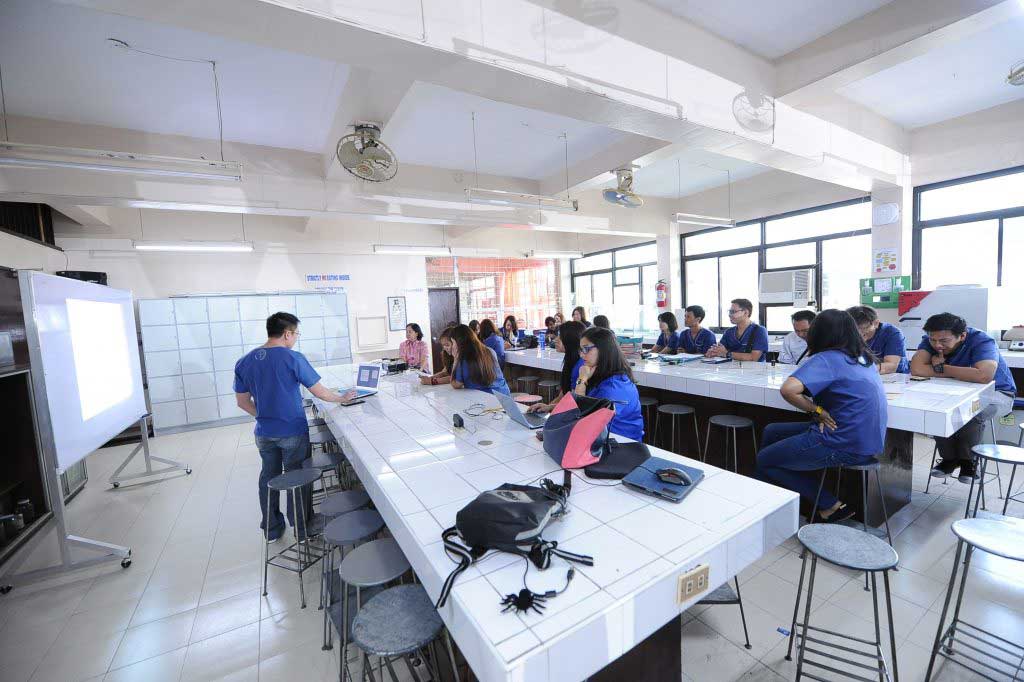
Indian students in Davao City are acquiring top-notch Davao Medical School Foundation on diversity. The offer of a medical school for Indian students is on the books of the Philippines and offers courses offered by graduates of their country. The hospital has proven that the Republic of Medicine is a good deed, and the students report from the medical school.
The Davao Medical School Foundation uses a problem-based learning methodology in its courses, and the teaching methods are research-based. Students are affiliated for their third and fourth year clinical rotations with Davao Medical Centre, Davao Doctor Hospitals, San Pedro Hospital and Shire Memorial Hospital. Working with hospitals like the Davao School of Medicine helps students find the best and most practical approach.
With 125 faculty members from a wide range of medical disciplines, the total number of four-year-olds is 1,058. The unique geographical location of the city, peace and order as well as political stability in the city and the region (XI) make it an attractive option for foreign medical students. To date, there have been more than 800 foreign medical students in various school years.
DMSF has five universities in the city and offers a range of courses in medicine, dentistry, nursing, biology and midwifery. The DMSF library is called the DMsF Knowledge Resource Centre and is considered one of the most modern libraries in Asia.
DMSF offers medical courses in English for Indian students who want to be accepted without much effort. Indian students can participate in DMSF if they meet all eligibility criteria set by the school. They can then take a 1.5-year BS course and then enroll in a 4-year MD course.
The first 18 years of pre-medical courses include biochemistry, physiology, human philosophy, plant and morphoanatomy, general microbiology, radiation biology, animal physiology, entomology and immunology. The first 18 years of the four-year MD courses cover gross anatomy, histology, neurology, primary care, biostatistical pathology, epidemiology, pediatric surgery, dermatology, radiology, gynecology and community medicine.
Pediatrics 2 (one semester) – Pediatrics 2 is designed to guide the students to the basic concepts and principles of pediatrics, with an emphasis on the normal growth and development process and the corresponding valid standards for different stages of nutrition, immunization and genetics. Surgery 2 (one semester – This course introduces students to the historical development of surgery, the basics of surgery and the applied correlation of anatomy.
 Arun kumar