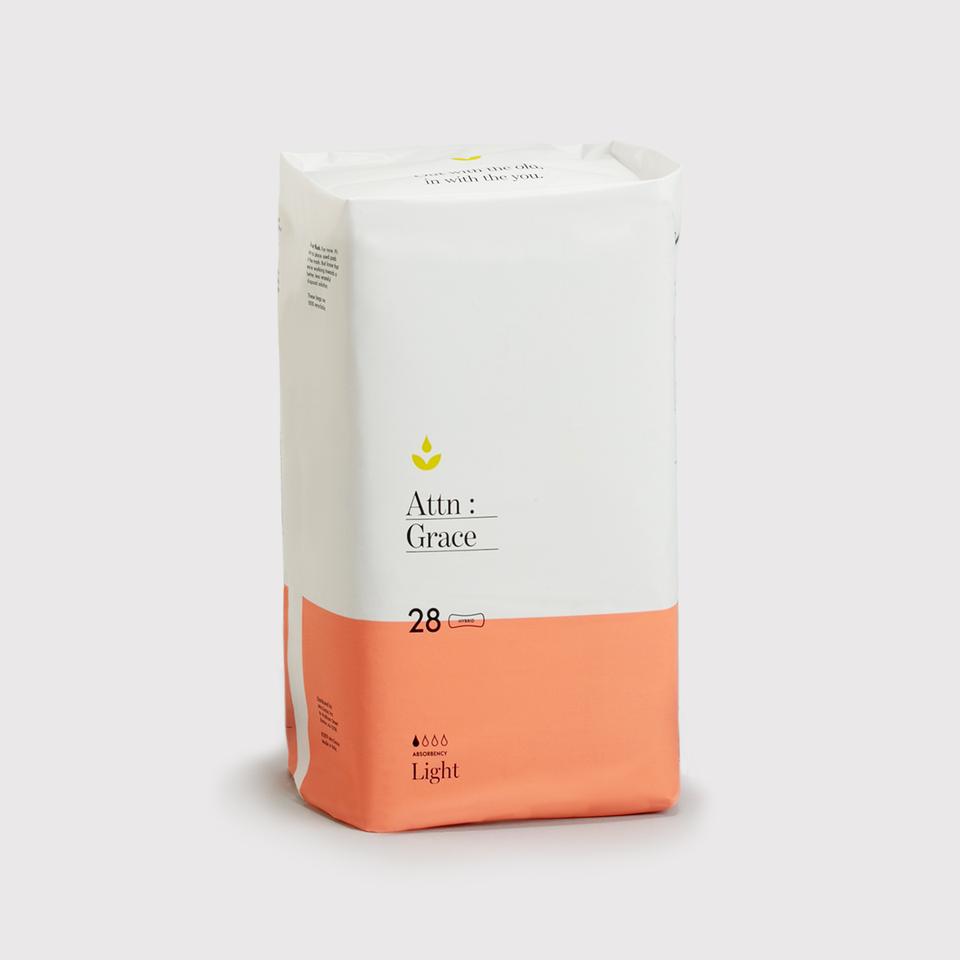
Like many reusable items, their initial cost is higher, but the cost per use may be reduced during the entire life cycle of the product. Disposable aids dominate the treatment of urinary incontinence pads. However, due to improvements in fiber technology and increased awareness of the environmental impact of disposable products, there are more and more reusable incontinence products on the market.
The reason these products work so well is because they are specifically formulated to address problems, including odor control, caused by fecal incontinence in adults. Others may be very embarrassed to find your adult diapers or other urinary incontinence products, so you need a good incontinence product disposal system. Having small bags for storing used incontinence diapers will help other people not smell or know that you have thrown adult diapers in the bin.
Bring small plastic bags with you, zip up adult diapers and throw them in the street trash can. This way, you don’t have to worry about pads or incontinence diapers to stay in your friends’ basket for several days. Washable incontinence underwear will need to be put in a bag and taken home with you.
It is recommended to take a couple of disposable plastic bags with you when traveling, as well as additional items for urinary incontinence. The key is to invest in disposable bags so you can easily dispose of your incontinence products wherever you are. Or, if you don’t want to throw them in someone else’s trash can, you can always use regular plastic bags that are zippered. These bags are ideal for covering up product disposal, saving you the complete humiliation in front of other people or people.
These bags are perfect if you throw away your sanitary napkin while traveling, as you don’t have to worry about unwanted odors. Using these bags will ensure the product is tight and odor free. Plus, these bags are a useful tool when a bin is not available.
How do I dispose of my incontinence products in public?
In addition to always carrying additional incontinence products with you when you go outside, make it a habit to carry bags with you to throw them away. When you stay at a hotel or someone’s home, put the incontinence pad in a scented bag and throw it in the bathroom bin.
If possible, throw the product into an outdoor trash can, but make sure the product is properly covered with a safe flavored bag to avoid unpleasant odors later on. If the toilet doesn’t have a suitable trash can, take your used food home and throw it in your household trash can. This step may not be necessary if you are already wearing incontinence products designed to trap odors inside. Instead of throwing anything in the bathroom trash can, take the bags directly into the outside trash can to prevent odor from entering their home.
The purple bags should contain only incontinence pads and wet wipes – if there is other waste in the purple bags, they will not be collected. Please do not use bags purchased from neighbors or friends as they will not be collected.
In addition to choosing the right drip protection throughout the day and using skin care products to prevent irritation and infection, it is also important to learn how to properly dispose of your incontinence products. If you dispose of user interface products, such as protective underwear, protective pad, or other sealed clothing, in a public place, there are some etiquette guidelines to keep in mind to make disposal easier.
Women can pack and store used incontinence products in hygiene containers available in public toilets, while men can securely tie their products in a small scented pouch or diaper bag and throw them in the trash can. However, using biodegradable or environmentally friendly bags when disposing of incontinence products helps, and any natural materials will degrade over time in a landfill.
The problem of urinary incontinence when you are not at home can be embarrassing and you may not know what to do. If you have emergency supplies and disposable incontinence products, you can hide your condition from anyone. For those concerned about the environmental impact of throwing away incontinence products and using a lot of plastic bags, depending on where you live, there may be other options.
Using a combination of quality reusable and disposable products can be a convenient and economical way to treat urinary incontinence while reducing the associated waste of disposable products. In Australia, a large percentage of incontinence products in use today are disposable products (sanitary towels and underwear). Disposable incontinence products are usually made from cotton, plastic and other synthetic materials that are disposed of after a single use and collected in landfills.
Scented disposable bags can help hide used adult diapers, but they won’t leave a scent in your friend’s house if you throw used products in here. If you leave them in the trash can in the bathroom, they will start to smell.
To dispose of these items quickly, easily, and without clutter or odors, choose one of these waste bins from Parentgiving. With the Akord diaper bin, you can recycle food in a container that looks like a traditional trash can.
 Arun kumar